In the 21st century, education in Pakistan faces a critical transformation phase. Global demands now require students to develop digital literacy, problem-solving, creativity, collaboration, critical thinking, communication, and adaptability — skills essential for success in a fast-changing world. However, Pakistan’s …
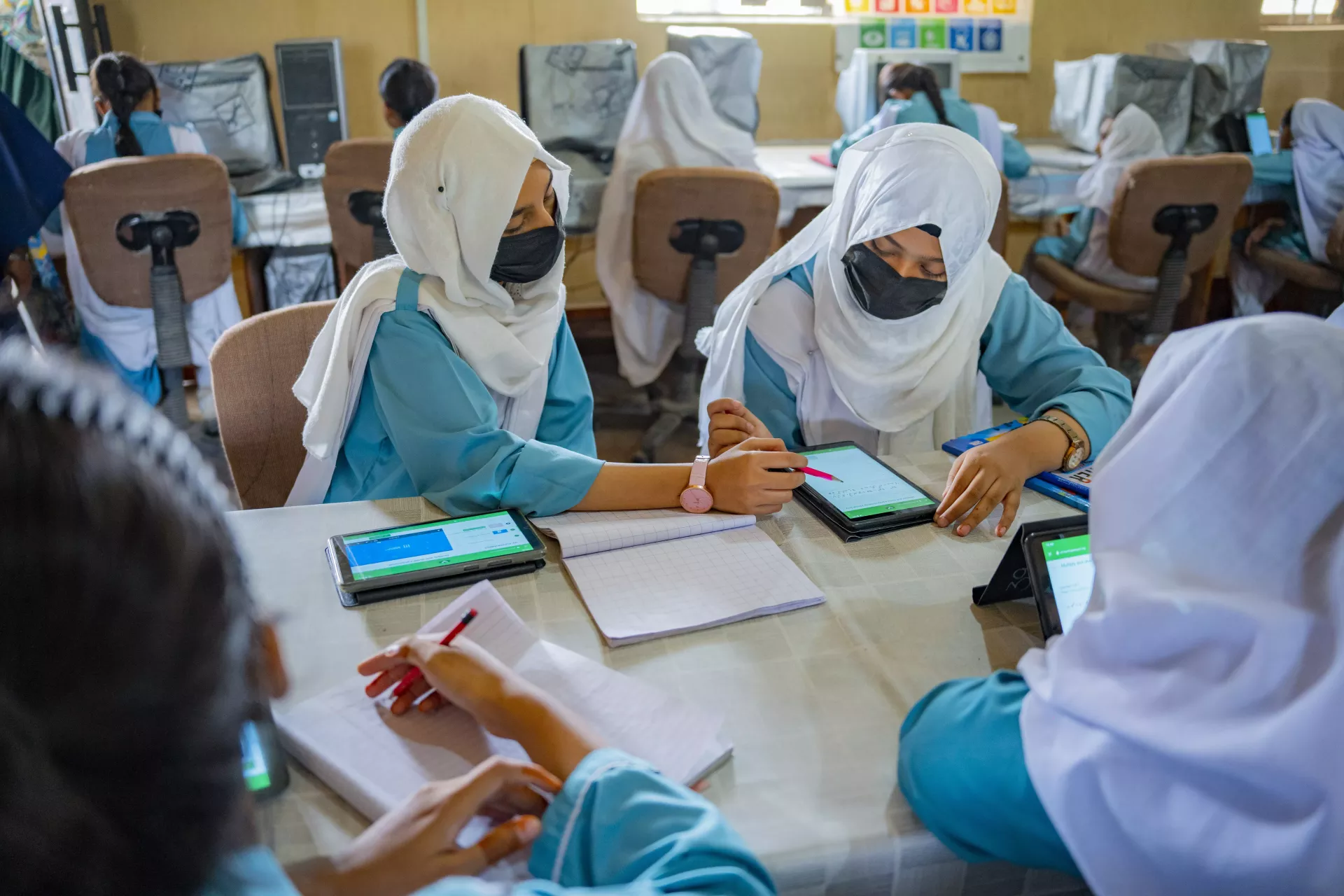
The educational landscape of Pakistan is rapidly evolving, with a growing shift from standalone schools to networked associated schools. These interconnected school networks share standardized curricula, teacher training resources, assessment frameworks, and management systems — creating consistent educational quality across …
The rise of online education in Pakistan has reshaped the country’s academic landscape, offering flexible, accessible, and efficient learning opportunities. At the core of this transformation lies the Learning Management System (LMS) — a powerful digital platform that allows educators …
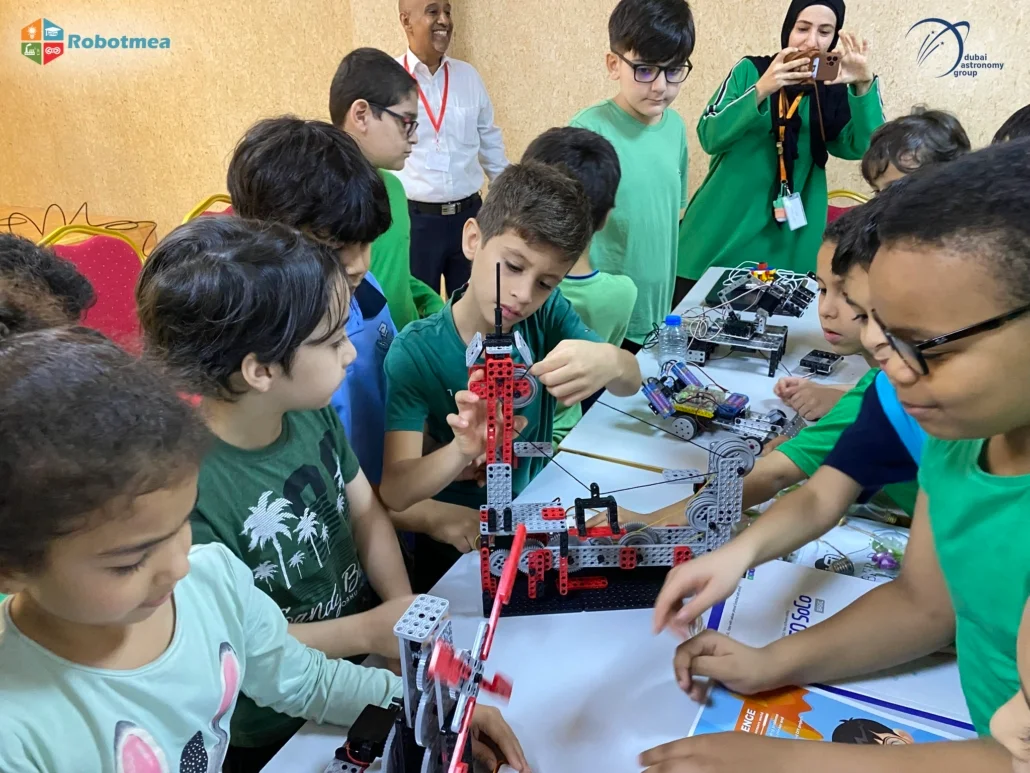
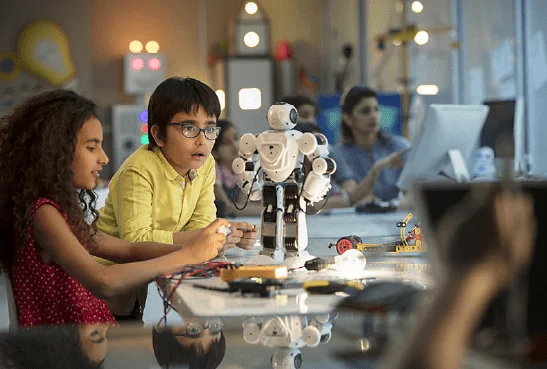
The growing connection between STEAM education and robotics learning is transforming how students in Pakistan experience science and technology. By integrating Science, Technology, Engineering, Arts, and Mathematics through hands-on robotics projects, students not only learn technical skills but also develop …
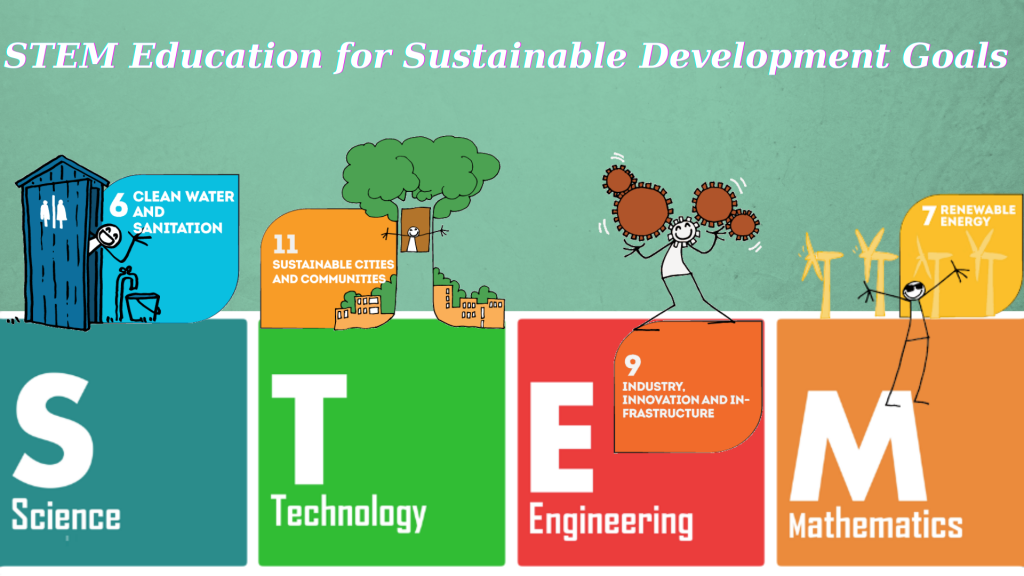
The STEAM Educational Framework — focusing on Science, Technology, Engineering, Arts, and Mathematics — is reshaping global education by encouraging creativity, innovation, and interdisciplinary learning. It empowers students to think critically, solve real-world problems, and collaborate effectively, aligning perfectly with …
The United Nations Sustainable Development Goals (SDGs) and Vision 2030 present a global plan for creating a peaceful, educated, and sustainable world. Among the 17 SDGs, Quality Education (Goal 4) is the foundation of all progress. It promotes inclusive and …